7700 Eldorado Parkway Suite 200 Mckinney, Tx 75072

When Should a Pediatric Dentist Evaluate Thumb Sucking?
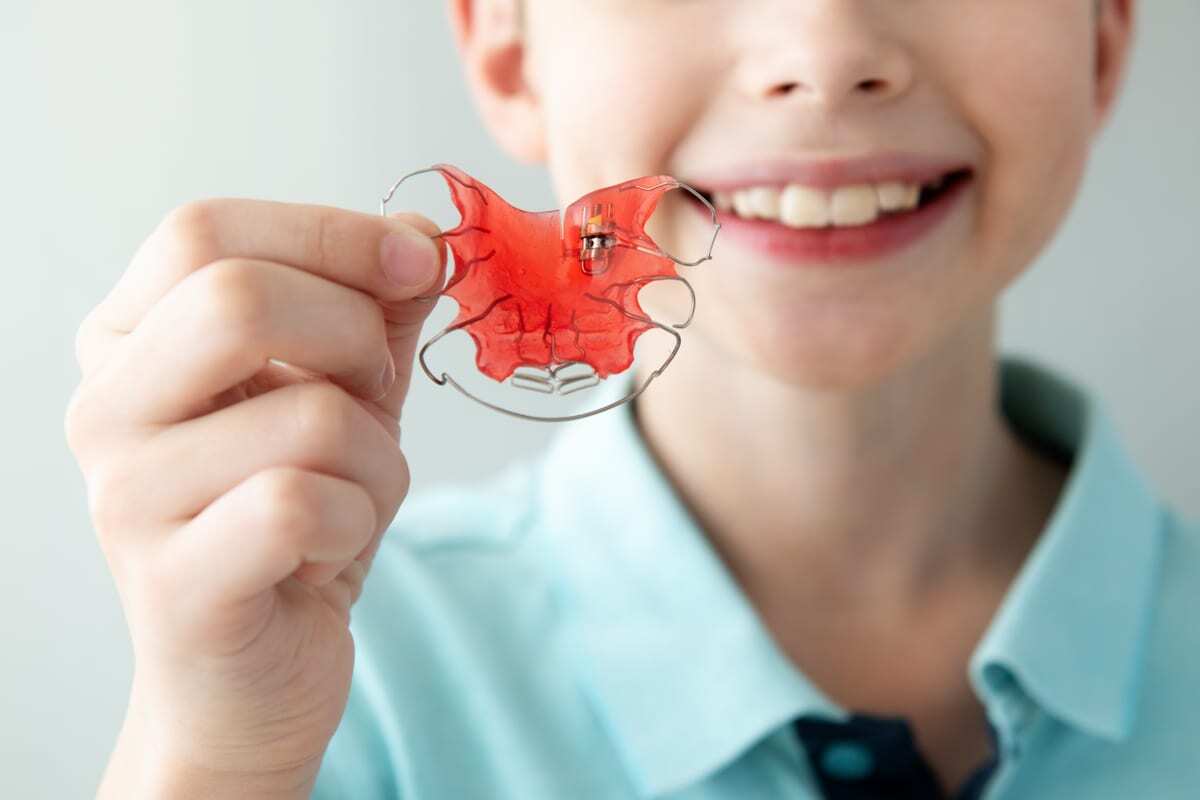
Thumb sucking is a normal source of comfort for many babies and young children. It can help a child settle down, fall asleep, or cope with stress. The habit itself is not automatically a dental problem.
The concern is how long the habit continues, how often it occurs, and how strongly the child sucks. Prolonged, frequent, or intense thumb sucking can affect the developing teeth and jaws in some children. The American Academy of Pediatric Dentistry notes associations between prolonged nonnutritive sucking habits and dental changes such as anterior open bite and posterior crossbite.
That’s why a pediatric dentist in McKinney can be a helpful resource when a child continues sucking their thumb beyond the toddler years or when parents notice changes in the developing bite.
Is Thumb Sucking Normal for Young Children?
Yes. Babies have a natural sucking reflex, and thumb or finger sucking can provide comfort and self-soothing.
Many children gradually stop the habit on their own. The American Academy of Pediatrics notes that strong thumb or finger sucking beyond roughly ages 2 to 4 may begin to affect the shape of the mouth or alignment of the teeth.
Parents do not need to panic if a toddler occasionally sucks a thumb. Instead, pay attention to the pattern.
A dental evaluation becomes more useful when:
- The habit continues as the child gets older.
- Thumb sucking is frequent during the day and night.
- Your child sucks forcefully.
- The front teeth appear to be moving.
- The upper jaw or palate looks different.
- The child has developed an unusual bite.
- You have tried gentle strategies and the habit continues.
How Can Thumb Sucking Affect Developing Teeth?
Not every child who sucks a thumb will develop a dental problem. The AAPD emphasizes that oral habits are influenced by factors including frequency, duration, and intensity.
When a sucking habit persists, some children may develop changes involving tooth position or the way the upper and lower jaws fit together.
Potential concerns include:
Anterior open bite
An open bite occurs when the upper and lower front teeth do not meet when the back teeth are together.
Persistent sucking pressure can contribute to this type of developing bite problem in some children.
Increased overjet
Overjet describes how far the upper front teeth extend in front of the lower front teeth.
A prolonged finger or thumb habit may contribute to increased overjet in some children.
Posterior crossbite
A posterior crossbite occurs when some upper back teeth bite inside the corresponding lower teeth.
Prolonged nonnutritive sucking habits have been associated with posterior crossbite and changes in the width and shape of the upper dental arch.
These changes do not mean a child will definitely need braces. They simply give a pediatric dentist or orthodontist something to evaluate.
When Should Parents Talk With a Pediatric Dentist?
There is no single age at which every child must stop thumb sucking.
However, the AAPD encourages guidance aimed at discontinuing nonnutritive sucking habits by approximately 36 months.
If your child is still regularly sucking a thumb around or beyond this age, discussing the habit with a pediatric dentist is reasonable.
A McKinney pediatric dentist can examine the teeth, palate, and developing bite and help determine whether the habit is currently affecting oral development.
That is very different from automatically recommending treatment.
Sometimes the best approach is simply continued encouragement and monitoring.
What Can Parents Do to Help a Child Stop Thumb Sucking?
The goal should be to help the child change the habit without creating shame or anxiety.
1. Notice when the habit happens
Does your child suck their thumb while watching television, riding in the car, falling asleep, or feeling upset?
Understanding the trigger makes it easier to offer an alternative.
2. Use positive reinforcement
Praise your child when they go without sucking their thumb.
A simple reward chart can work well for some children, particularly when the child participates in creating the goal.
3. Offer another source of comfort
If thumb sucking happens when your child is tired or anxious, try replacing the habit with another calming routine.
Reading together, holding a favorite stuffed animal, listening to music, or using a consistent bedtime routine may help.
4. Avoid teasing or punishment
Nagging, embarrassment, or punishment can increase stress without addressing the reason behind the habit.
The AAP specifically recommends positive approaches rather than harsh responses when helping children stop sucking habits.
5. Involve your child in the plan
Older children may respond better when they understand why the habit matters and have a role in deciding how to change it.
A pediatric dentist can reinforce that message in an age-appropriate way.
What If Home Strategies Do Not Work?
Some children need more support.
If your child wants to stop but continues the habit despite consistent encouragement, your pediatric dentist can discuss additional options.
The AAPD recognizes several approaches to managing oral habits, including counseling, behavior modification, myofunctional therapy, appliance therapy, and referral to other appropriate professionals. Treatment should be matched to the child’s development and ability to cooperate.
An appliance is not automatically the next step.
In fact, the AAPD states that an appliance should be considered only when the child wants to stop the habit and would benefit from the reminder.
That makes the conversation between the child, parents, and dental team especially important.
Does Thumb Sucking Mean My Child Will Need Braces?
No.
This is one of the biggest misconceptions parents encounter.
A child who sucks their thumb does not automatically need orthodontic treatment. Some dental changes associated with sucking habits may improve after the habit stops, particularly when the habit ends before permanent front teeth erupt. The American Academy of Pediatrics notes that if a child stops before the permanent front teeth come in, the bite has a good chance of correcting itself.
If a bite problem remains, an orthodontist can evaluate whether treatment is appropriate.
The goal of pediatric dental care is not to predict that a child will need braces. It is to identify developing concerns early enough that parents have options.
How a McKinney Pediatric Dentist Can Help
A pediatric dental visit gives parents a chance to ask questions before a habit becomes a larger concern.
During an examination, the dentist can evaluate:
- The position of the front teeth
- The relationship between the upper and lower teeth
- The shape and development of the palate
- Tooth eruption
- Signs of an open bite or crossbite
- The child’s overall oral health
- Whether continued observation is appropriate
If your child’s bite or tooth development raises an orthodontic concern, your pediatric dentist can also help determine whether an orthodontic consultation would be useful.
This coordinated approach is more appropriate than assuming every child with a thumb-sucking habit needs braces.
When to Schedule an Evaluation
Consider scheduling an appointment with a pediatric dentist in McKinney if your child:
- Continues frequent thumb sucking after age 3.
- Sucks their thumb forcefully.
- Has difficulty stopping despite wanting to quit.
- Has visible changes in the front teeth.
- Appears to have an open bite or crossbite.
- Has concerns about the roof of the mouth.
- Is approaching the stage when permanent front teeth will erupt.
An evaluation does not mean treatment has to begin. It simply gives you a clearer picture of your child’s dental development.
Helping Your Child Build a Healthy Smile
Thumb sucking is often a comfort habit, not something a child is deliberately doing wrong. A calm, supportive approach usually works better than pressure.
If the habit persists, professional guidance can help you understand whether it is affecting your child’s developing teeth and what options make sense for your family.
At Just for Kids Dentistry, pediatric dental care focuses on children’s developing smiles and age-appropriate preventive care. If you live in McKinney and have questions about your child’s thumb-sucking habit, schedule an evaluation so the dental team can check the developing bite and help you decide what to do next.
FAQs
When should I take my child to a pediatric dentist for thumb sucking?
Consider discussing persistent thumb sucking with a pediatric dentist around age 3 or sooner if you notice changes in the teeth, palate, or bite. The AAPD encourages discontinuing nonnutritive sucking habits by approximately 36 months.
Can thumb sucking change my child’s teeth?
Yes. Prolonged, frequent, or intense thumb sucking can be associated with changes such as an anterior open bite, increased overjet, and posterior crossbite.
Will my child need braces because of thumb sucking?
Not necessarily. Thumb sucking does not automatically mean a child will need orthodontic treatment. A pediatric dentist can monitor the developing bite and determine whether an orthodontic evaluation is appropriate.
How can I help my child stop sucking their thumb?
Use positive reinforcement, identify situations that trigger the habit, offer alternative comfort strategies, and avoid punishment or teasing. If the habit continues, talk with your child’s pediatric dentist about additional options.
Are thumb-sucking appliances necessary?
No. Appliances are not appropriate for every child. The AAPD recommends that habit treatment be individualized and notes that an appliance should be considered when the child wants to stop and would benefit from the reminder.

Related Articles