7700 Eldorado Parkway Suite 200 Mckinney, Tx 75072

What to Do When Your Child Knocks Out a Tooth in McKinney
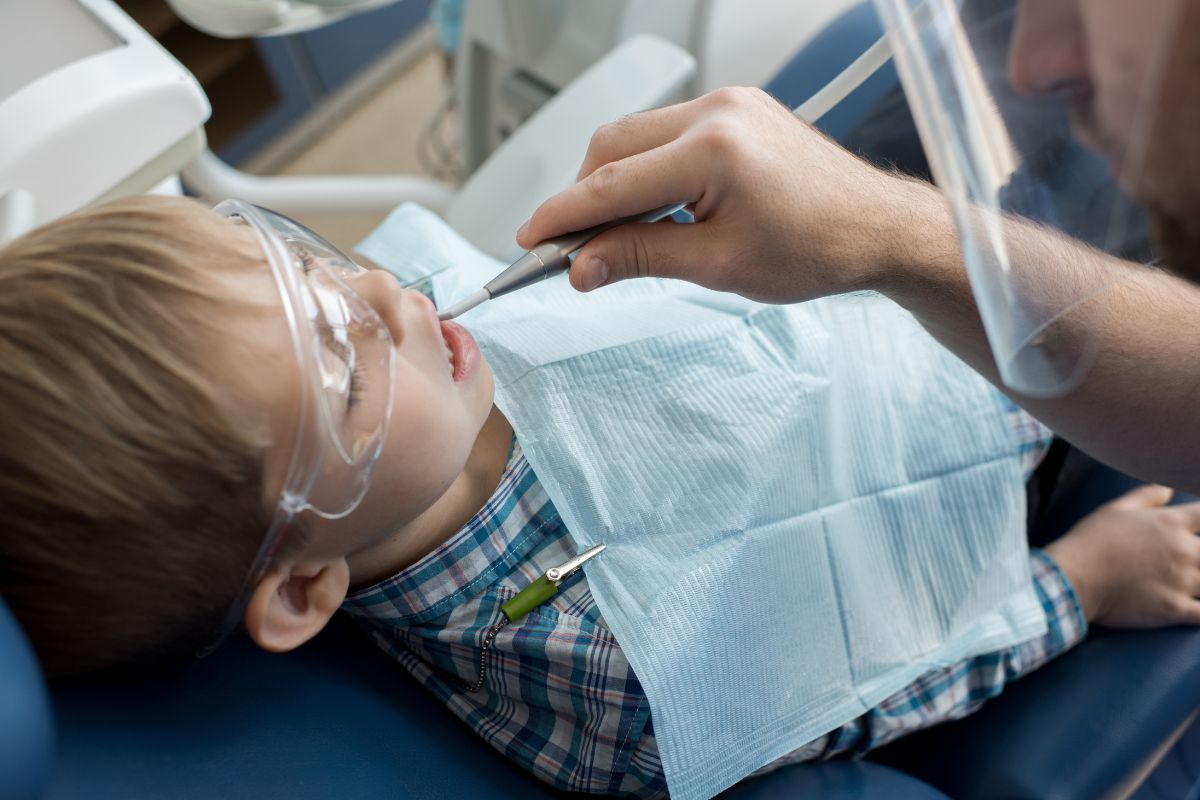
A fall on the playground, a sports collision, or an unexpected accident at home can leave a child with a knocked-out tooth. It’s understandably stressful for parents, especially when there’s bleeding, pain, or uncertainty about what to do next.
The most important thing to know is that a knocked-out permanent tooth needs immediate dental attention. Quick action may improve the chance of saving it. A knocked-out baby tooth requires a different approach and should not be placed back into its socket.
If your child has knocked out a tooth, contact a pediatric dental office immediately for instructions. Families in McKinney, TX, can contact Just for Kids Dentistry to ask about emergency care and next steps.
What Should You Do If Your Child Knocks Out a Tooth?
Your first steps depend on whether the missing tooth is a baby tooth or a permanent tooth. If you are unsure which type it is, do not delay seeking professional guidance.
1. Stay Calm and Check Your Child
Help your child sit down and remain as calm as possible. Check for bleeding, facial injuries, and signs of a more serious injury.
Apply gentle pressure to bleeding gums or soft tissues with clean gauze. If your child has lost consciousness, is confused, has difficulty breathing, or may have a serious head or facial injury, seek emergency medical care immediately.
2. Determine Whether It Is a Baby or Permanent Tooth
A baby tooth should not be replanted because doing so can damage the developing permanent tooth underneath it.
A permanent tooth, however, is a dental emergency. If you are unsure which type of tooth was lost, let the dental team help determine the appropriate next step.
3. Handle a Knocked-Out Permanent Tooth Carefully
If you find the tooth, pick it up by the white crown rather than the root. Avoid touching or scrubbing the root because delicate cells on its surface are important for successful reattachment.
If the tooth is dirty, follow emergency dental guidance for gently rinsing it. Do not scrape, brush, or disinfect it.
If you are confident the tooth is permanent and can be safely repositioned, immediate reinsertion may improve the chance of saving it. Do not force it into place. If you cannot reinsert it, keep it moist in an appropriate storage medium, such as a tooth-preservation solution or milk, and seek immediate dental care. Saline or saliva collected in a clean container may also be options when recommended by a dental professional.
Do not leave the tooth to dry out, and do not delay getting help while trying to manage the injury at home.
4. Contact a Dentist Immediately
Call a pediatric dental office as soon as possible and explain what happened, including whether the tooth appears to be a baby or permanent tooth. Follow the team’s instructions about where to go and how to transport the tooth.
If you cannot reach a dentist promptly, seek urgent dental or emergency medical care. Time matters when a permanent tooth has been completely knocked out.
What Happens During a Pediatric Dental Emergency Visit?
A dental visit after a knocked-out tooth helps the dentist evaluate the injury, determine the next steps, and assess the surrounding teeth and tissues.
Although each injury is different, the appointment may include the following:
Reviewing the Accident and Your Child’s Health
The dental team will ask how the injury happened, when it occurred, and whether your child has experienced pain, bleeding, or other symptoms. Share any relevant medical history and details about the injury.
Examining the Mouth
The dentist will examine the injured area, surrounding teeth, gums, and soft tissues. The team will also determine whether the missing tooth was a baby tooth or a permanent tooth.
Taking Dental X-Rays When Needed
Depending on the injury, dental X-rays may help identify damage that is not visible during the examination. Imaging can help the dentist assess the tooth socket, nearby teeth, and surrounding structures.
Discussing Treatment and Follow-Up
Treatment depends on the type of tooth, the nature of the injury, and how much time has passed. A permanent tooth may require repositioning and stabilization, while a baby tooth that has been knocked out generally should not be replanted.
The dentist will explain the recommended treatment and any follow-up visits needed to monitor healing.
How Is a Knocked-Out Baby Tooth Different From a Permanent Tooth?
The distinction is important because the two injuries are managed differently.
Knocked-out baby tooth: A baby tooth should not be put back into its socket. The dentist may need to evaluate the area, confirm the tooth is completely out rather than pushed into the gum, and monitor healing and the development of the permanent tooth.
Knocked-out permanent tooth: This is an urgent dental injury. Immediate assessment is important because the likelihood of saving the tooth depends partly on how quickly appropriate treatment begins, as well as the condition of the tooth and surrounding tissues.
Even if your child seems comfortable after losing a tooth, arrange prompt professional evaluation. Some injuries may affect nearby teeth or supporting structures without causing obvious symptoms right away.
What Should You Do After the Emergency Visit?
Follow the dentist’s instructions carefully. Depending on the injury and treatment, your child’s recovery plan may include:
- Eating soft foods temporarily, if recommended.
- Avoiding activities that could cause another impact to the mouth.
- Cleaning the teeth gently while protecting the injured area.
- Taking prescribed or recommended medication only as directed.
- Attending follow-up appointments to check healing and tooth health.
Contact the dental team if your child develops increasing pain, swelling, fever, drainage, or other symptoms that concern you. Seek urgent medical attention if serious symptoms develop.
A dental injury may also require monitoring over time, even when the initial treatment goes well. Keep follow-up appointments so the dentist can assess healing and identify possible complications.
How Can Parents Help Prevent Dental Injuries?
Not every accident can be prevented, but a few practical steps can reduce the risk of some dental injuries:
- Use a properly fitted mouthguard. Mouthguards can help protect teeth during many contact and collision sports.
- Choose age-appropriate play areas. Keep playgrounds and play spaces as safe as reasonably possible.
- Use appropriate protective equipment. Follow safety guidance for cycling, skating, and other activities with a risk of falls or facial impact.
- Keep routine dental visits. Regular examinations help your child’s dentist assess oral health and discuss prevention tailored to your child’s activities and needs.
If your child participates in sports, ask the dentist whether a custom-fitted mouthguard is appropriate.
Where Can You Get Emergency Dental Guidance in McKinney, TX?
When a child knocks out a tooth, parents need clear instructions and prompt professional assessment. Just for Kids Dentistry in McKinney provides pediatric dental care and can help families understand the next steps for a dental injury.
Call the office as soon as possible to explain what happened and ask about emergency availability. If the injury involves a possible head injury, loss of consciousness, breathing difficulty, or another serious medical concern, seek emergency medical care rather than waiting for a dental appointment.
Do not wait for pain to develop before seeking advice about a knocked-out permanent tooth. Prompt evaluation gives your child the best opportunity for appropriate treatment.
Frequently Asked Questions
Can a knocked-out baby tooth be put back in?
No. A knocked-out baby tooth should not be replanted because this may harm the developing permanent tooth. Contact a dentist promptly to determine whether the area needs examination or follow-up.
How quickly should I seek care for a knocked-out permanent tooth?
Seek dental care immediately. A permanent tooth has a better chance of being saved when appropriate treatment begins quickly. Call a dentist while arranging care, and follow instructions for handling and transporting the tooth.
What should I do if I cannot put the permanent tooth back in?
Handle it by the crown, avoid touching the root, and keep it moist in an appropriate storage medium, such as a tooth-preservation solution or milk. Seek immediate dental care. Do not store the tooth in tap water if a suitable alternative is available.
Will my child need a space maintainer after losing a baby tooth?
Not every child will need one. The decision depends on which tooth was lost, your child’s age, the condition of the surrounding teeth, and the expected development of the permanent tooth. The dentist can assess whether a space maintainer or another approach is appropriate.
Should my child see a dentist if the knocked-out tooth was a baby tooth?
Yes. Although a baby tooth should not be replanted, a dental assessment may be needed to evaluate the injury, check for other damage, and confirm that the tooth was completely knocked out rather than pushed into the gum.
Get Guidance for Your Child’s Dental Emergency
A knocked-out tooth can be frightening, but knowing what to do can help you respond quickly. The key is to distinguish between a baby tooth and a permanent tooth, handle any recovered permanent tooth carefully, and seek prompt professional guidance.
If your child has a dental injury, contact Just for Kids Dentistry in McKinney, TX, to ask about emergency care and the next steps for your child’s situation.

Related Articles