7700 Eldorado Parkway Suite 200 Mckinney, Tx 75072

How a Kids Dentist Helps Protect and Restore Your Child’s Smile
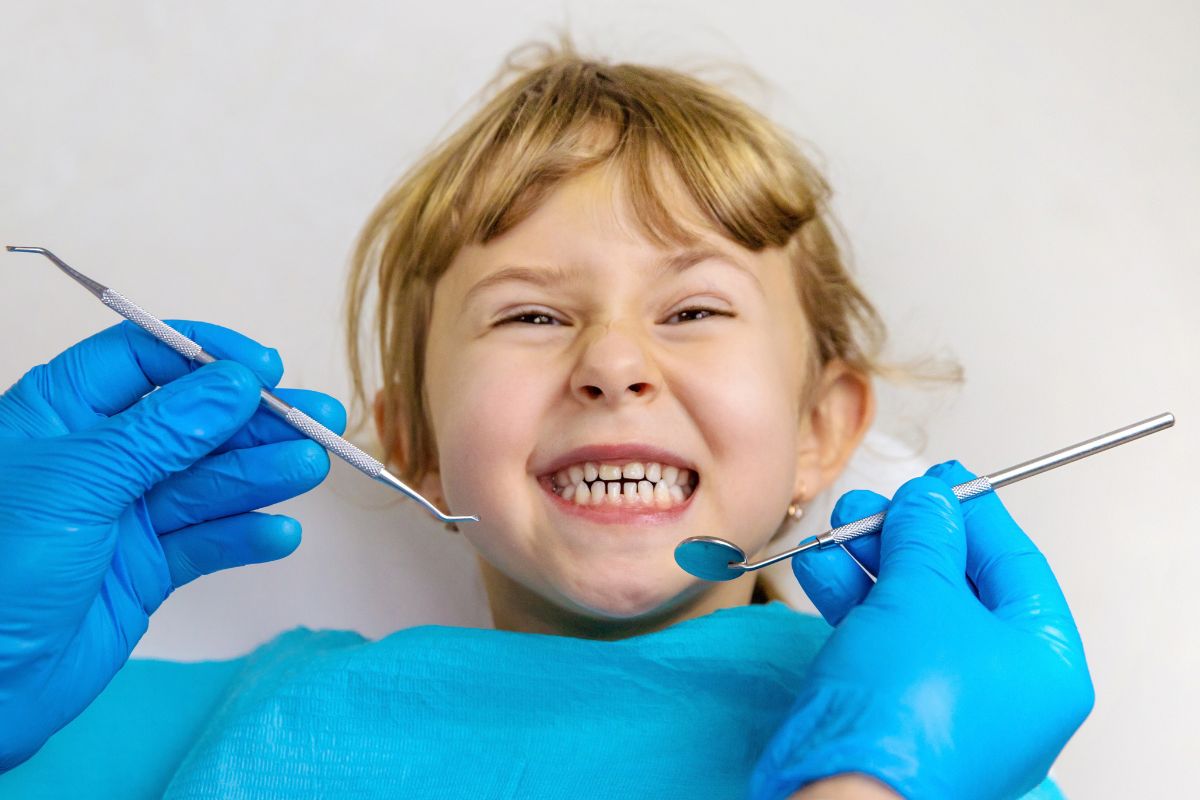
Keeping your child’s teeth healthy involves more than brushing twice a day. Children develop new teeth, learn oral hygiene habits, and experience changes in their mouths as they grow. Even with good home care, cavities, dental injuries, and other concerns can arise.
A kids dentist helps parents manage these changes through preventive care, early diagnosis, and treatment when problems occur. For families in McKinney, TX, understanding the difference between preventive and restorative dental care can make it easier to know what your child may need at each stage.
At Just for Kids Dentistry, the goal is to support healthy smiles with care suited to children’s developing teeth and individual needs.
What Does a Kids Dentist Do?
A kids dentist focuses on children’s oral health from infancy through adolescence. Pediatric dentists complete additional specialized training beyond dental school to understand children’s dental development, behavior, and treatment needs.
Depending on a child’s age and oral health, appointments may include:
- Examining teeth, gums, and oral development.
- Professional dental cleanings when appropriate.
- Assessing cavity risk and recommending preventive treatments.
- Monitoring baby teeth and incoming permanent teeth.
- Identifying dental problems that may require treatment.
- Providing guidance on brushing, flossing, nutrition, and oral habits.
Routine appointments also give parents an opportunity to discuss concerns before they become more difficult to manage.
Preventive Dental Care: Helping Problems Before They Start
Preventive dentistry focuses on reducing the risk of oral health problems and identifying early changes. Although no preventive measure can eliminate every cavity or dental issue, regular care can help children maintain healthier teeth.
Regular Dental Exams and Cleanings
During a dental examination, the dentist checks for signs of tooth decay, gum concerns, and changes in how the teeth are developing. Professional cleanings remove plaque and buildup that may be difficult to manage with brushing alone.
Many children benefit from checkups about every six months, although the appropriate schedule depends on individual needs and cavity risk.
Fluoride Treatments
Fluoride helps strengthen tooth enamel and makes teeth more resistant to acid attacks that can cause cavities. A dentist may recommend professional fluoride treatment based on your child’s age, dental history, and risk of decay.
Fluoride treatments complement—not replace—brushing with fluoride toothpaste and other preventive habits.
Dental Sealants
Sealants are thin protective coatings applied to the chewing surfaces of certain teeth, especially molars with deep grooves. These areas can be difficult for children to clean thoroughly.
A dentist can assess whether sealants are appropriate for your child’s teeth. They are one part of a broader cavity-prevention plan that includes brushing, healthy eating habits, and routine dental visits.
Guidance for Everyday Oral Care
Parents often have questions about toothpaste, flossing, snacks, drinks, and thumb-sucking. A kids dentist can provide recommendations suited to a child’s age and development rather than relying on a one-size-fits-all approach.
For example, younger children need help brushing effectively, while older children may need reminders and supervision to maintain consistent habits.
Restorative Dental Care: When a Tooth Needs Treatment
Preventive care is important, but children can still develop cavities or experience dental injuries. Restorative dentistry addresses problems that have already affected a tooth.
The recommended treatment depends on the tooth involved, the extent of damage, the child’s age, and other clinical factors.
Treating Cavities
Cavities develop when acids produced by bacteria damage tooth enamel and other tooth structures. Early decay may not cause noticeable pain, which is one reason routine examinations matter.
Depending on the location and severity of the decay, treatment may involve a filling or another restoration. If decay reaches the inner part of a tooth, additional treatment may be necessary.
Prompt evaluation can help the dentist determine the most appropriate option before the problem progresses.
Repairing Damaged Teeth
Falls, sports collisions, and other accidents can chip, crack, or loosen a tooth. A dentist will assess the injury and recommend care based on the type of damage.
If a permanent tooth is knocked out, seek immediate dental care. Do not reinsert a knocked-out baby tooth. If your child has a serious facial injury, difficulty breathing, or loss of consciousness, seek emergency medical care.
Protecting Baby Teeth
Baby teeth are temporary, but they play important roles in chewing, speaking, and maintaining space for developing permanent teeth. A cavity or injury affecting a baby tooth should not automatically be ignored simply because the tooth will eventually fall out.
Your child’s dentist can explain whether treatment is needed and how the condition could affect comfort, function, or developing teeth.
Does Every Child Need the Same Dental Treatment?
No. Children’s oral health needs vary.
One child may primarily need routine cleanings and preventive guidance. Another may have a higher cavity risk because of previous decay, difficulty cleaning certain areas, frequent exposure to sugary drinks, or other individual factors.
A dentist considers the child’s dental history, examination findings, age, and ability to cooperate with treatment when recommending care.
Parents should feel comfortable asking:
- What problem are we treating or trying to prevent?
- What are the available treatment options?
- What may happen if we monitor the issue instead?
- How can we help protect the tooth at home?
- When should we return for follow-up?
Clear explanations help parents understand the reasons behind a treatment plan and make informed decisions for their child.
How Can Parents Support Healthy Teeth Between Visits?
Daily habits play a major role in children’s oral health. You can support your child’s smile by following a few consistent routines.
Brush twice a day. Use fluoride toothpaste in the amount recommended for your child’s age. Supervise brushing and help younger children clean all tooth surfaces.
Clean between teeth. Begin flossing when neighboring teeth touch and a toothbrush can no longer clean between them effectively.
Choose tooth-friendly drinks and snacks. Make water a regular drink of choice and limit frequent exposure to sugary foods and drinks. The frequency of sugar exposure matters as well as the total amount.
Use protective equipment for sports. Ask your dentist about a suitable mouthguard if your child participates in activities that may cause dental injuries.
Keep scheduled appointments. Regular visits help the dentist monitor changes, reassess cavity risk, and adjust recommendations as your child grows.
Find a Kids Dentist in McKinney, TX
Choosing dental care for your child means finding a team that understands children’s developing teeth and can explain care options clearly.
Just for Kids Dentistry provides pediatric dental services in McKinney, TX, including preventive care, restorative treatment, and emergency dentistry. Whether your child needs a routine checkup or you have noticed a dental concern, the team can help you understand the appropriate next steps.
Contact the office to ask about appointments and discuss your child’s dental needs.
Frequently Asked Questions
When should my child start seeing a kids dentist?
The American Academy of Pediatric Dentistry recommends a first dental visit by the first birthday or within six months after the first tooth appears, whichever comes first. Early visits help establish a dental home and provide guidance on caring for baby teeth.
How often should children visit a kids dentist?
Many children benefit from visits about every six months, but some may need more frequent care based on their oral health and cavity risk. Your child’s dentist can recommend an appropriate schedule.
What’s the difference between preventive and restorative dentistry?
Preventive dentistry aims to reduce the risk of dental problems through examinations, cleanings, fluoride, sealants when appropriate, and home-care guidance. Restorative dentistry treats existing damage or disease, such as cavities or fractured teeth.
Do baby teeth need fillings if they will eventually fall out?
Sometimes, yes. Baby teeth support chewing and speech and help maintain space for permanent teeth. The dentist will consider the child’s age, the tooth’s condition, and how soon it is expected to fall out when recommending treatment.
Can a kids dentist treat dental emergencies?
Pediatric dental practices may provide emergency care for issues such as toothaches, broken teeth, and dental injuries. Call the office promptly for guidance. Seek emergency medical care for serious injuries, breathing difficulties, or other life-threatening symptoms.

Related Articles