7700 Eldorado Parkway Suite 200 Mckinney, Tx 75072

McKinney Pediatric Dentistry: How to Prevent Childhood Cavities
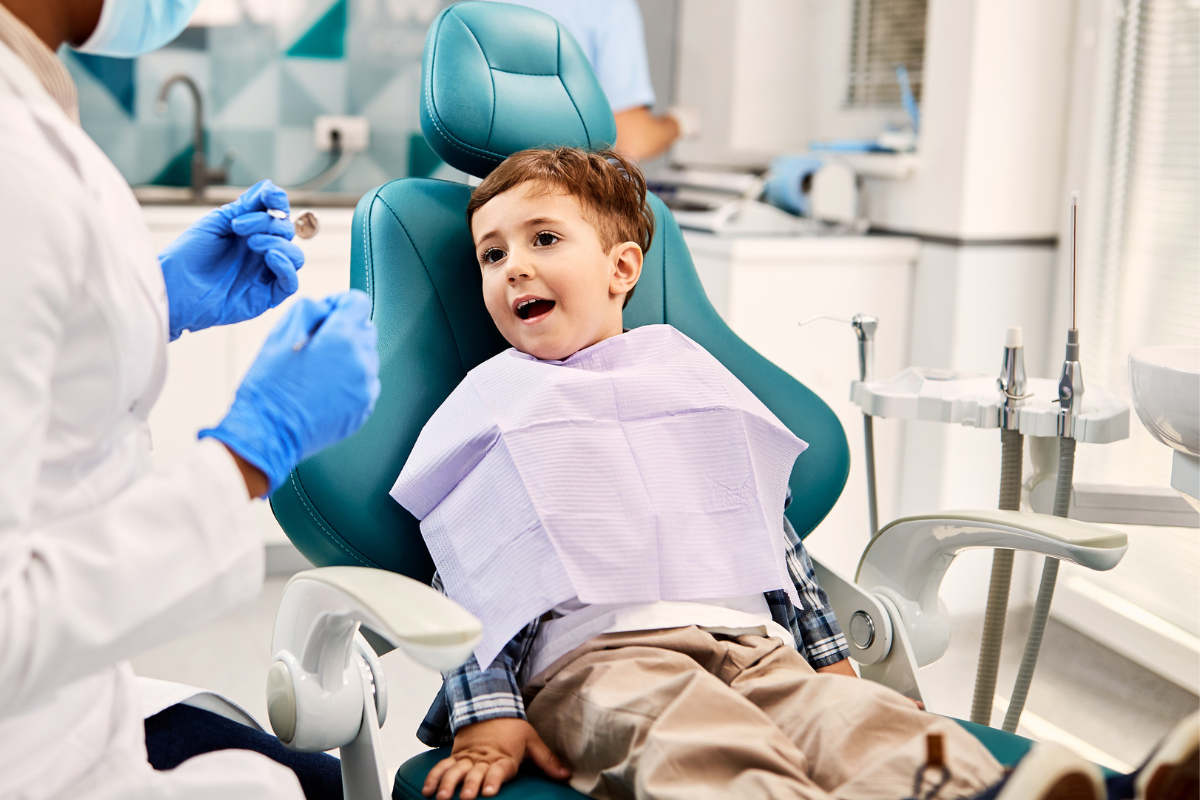
Cavities do not usually appear overnight. Tooth decay develops over time as oral bacteria, food and drink choices, saliva, tooth structure, and daily hygiene habits interact.
That gives parents an important opportunity: prevention can begin before a child ever complains about a toothache.
Good McKinney pediatric dentistry combines what happens at home with professional preventive care. Brushing and flossing matter, but so do regular dental examinations, fluoride when appropriate, dietary habits, and treatments such as sealants.
The American Academy of Pediatric Dentistry recommends establishing a dental home by age 1 and using regular preventive care to identify and manage cavity risk early.
Why Childhood Cavities Deserve Early Attention
A cavity in a baby tooth is still a dental problem, even though the tooth will eventually fall out.
Primary teeth help children chew, speak, and maintain appropriate space for developing permanent teeth. Untreated decay can lead to pain and infection and may require more involved treatment.
The goal of pediatric dentistry is not simply to repair cavities after they develop. A strong preventive program aims to identify risk factors early and help families reduce them.
Start With the Basics at Home
The foundation of cavity prevention is simple, consistent oral hygiene.
Parents should help children:
- Brush twice a day with fluoride toothpaste.
- Clean all tooth surfaces, including the back teeth.
- Floss once a day when two teeth touch each other.
- Drink water regularly.
- Limit frequent sugary snacks and drinks.
- Follow age-appropriate toothpaste recommendations.
- Replace toothbrushes when bristles become worn.
Young children usually need hands-on help with brushing. Even when a child insists on doing it independently, parents should check the results and provide assistance until the child has the coordination to clean effectively.
The AAPD recommends brushing erupted baby teeth twice daily with an age-appropriate amount of fluoride toothpaste.
Pay Attention to How Often Your Child Eats Sugar
Parents often focus on the total amount of sugar their child consumes. Frequency matters, too.
Every time your child consumes fermentable carbohydrates, oral bacteria can produce acids that challenge tooth enamel. Frequent grazing throughout the day can give teeth less time to recover between exposures.
That does not mean your child can never enjoy dessert.
A more practical approach is to:
- Keep sugary foods as occasional treats.
- Serve sweets with meals instead of offering them repeatedly throughout the day.
- Choose water between meals.
- Avoid letting children sip sugary beverages for long periods.
- Be especially cautious with sticky foods that remain on teeth.
You do not need a perfect diet to protect your child’s teeth. Consistent habits are more realistic—and more sustainable—than trying to eliminate every treat.
Fluoride Helps Strengthen Developing Teeth
Fluoride is one of the most established tools for preventing dental caries.
It helps make enamel more resistant to acid attacks and supports remineralization of early damage. Fluoride toothpaste is a key part of daily home care, while professional fluoride treatments may be recommended based on a child’s cavity risk.
Your pediatric dentist can determine whether additional fluoride treatment is appropriate for your child.
Because every child’s cavity risk is different, preventive care should be individualized rather than based on a one-size-fits-all schedule.
Dental Sealants Protect Hard-to-Clean Grooves
Molars have pits and grooves that can trap food and plaque. These areas can be difficult for children to clean thoroughly with a toothbrush.
Dental sealants are thin protective coatings placed over susceptible chewing surfaces. They create a physical barrier that can help keep food and bacteria out of the deepest grooves.
Sealants are not a replacement for brushing or dental visits. They are an additional preventive tool that may be particularly useful for children whose molars are at increased risk for decay.
If your child’s pediatric dentist recommends sealants, ask which teeth would benefit and how the treatment fits into your child’s overall prevention plan.
When Should Your Child Start Seeing a Pediatric Dentist?
The AAPD recommends that children establish a dental home by the first birthday or within six months of the first tooth appearing.
That first visit is not simply about looking for cavities.
It gives the dental team an opportunity to discuss:
- Toothbrushing technique
- Fluoride toothpaste
- Feeding and snack habits
- Bottle and cup use
- Oral habits
- Fluoride exposure
- Injury prevention
- Your child’s individual cavity risk
Regular visits then allow the dental team to monitor changes instead of waiting until a problem becomes painful.
What a McKinney Pediatric Dentist Can Monitor
Children’s mouths change quickly.
At routine visits, a pediatric dentist can look for developing cavities, changes in tooth eruption, plaque buildup, gum health, enamel concerns, and other issues that may not be obvious to parents.
At Just for Kids Dentistry, the practice provides preventive and restorative pediatric dental care in McKinney, along with emergency and sedation services. The office is designed specifically around children’s dental needs.
That continuity matters. When the same dental team sees your child regularly, they can compare changes over time and adjust preventive recommendations as your child grows.
What If Your Child Already Has a Cavity?
Prevention is the goal, but cavities can still happen—even in children who brush and eat well.
Do not blame yourself or your child.
Cavity risk is influenced by several factors, including enamel, saliva, oral bacteria, diet, fluoride exposure, hygiene, and previous dental history.
If your child develops a cavity, early evaluation can help determine the appropriate treatment before the problem becomes more extensive. Your pediatric dentist can also identify why the cavity developed and adjust the prevention plan going forward.
A Practical Cavity-Prevention Routine for McKinney Families
A simple daily routine can make prevention easier:
Morning: Brush with fluoride toothpaste and eat a balanced breakfast.
During school: Encourage water as the primary drink and choose tooth-friendly snacks when possible.
After school: Offer a meal or snack rather than allowing continuous grazing.
Evening: Brush carefully before bed and floss between teeth that touch.
Regularly: Keep scheduled pediatric dental visits so your child’s teeth can be professionally evaluated and cleaned.
This routine does not have to be complicated. The biggest benefit comes from doing the basics consistently.
Build Your Child’s Dental Home Early
The strongest cavity-prevention strategy combines home care with professional guidance.
If you live in McKinney, establishing a relationship with a pediatric dental team gives your family a place to turn for preventive care, questions, treatment planning, and changes in your child’s oral health.
At Just for Kids Dentistry, the goal is to help children maintain healthy teeth from infancy through the teenage years while giving parents practical guidance along the way.
If your child has not had a recent dental examination—or you are unsure about their cavity risk—schedule an appointment with Just for Kids Dentistry in McKinney.
FAQs
How can I prevent cavities in my child?
Help your child brush twice daily with fluoride toothpaste, floss between touching teeth, drink water, limit frequent sugary exposures, and maintain regular pediatric dental visits. Your dentist may also recommend fluoride treatments or sealants based on cavity risk.
When should my child first see a pediatric dentist?
The American Academy of Pediatric Dentistry recommends a child’s first dental visit by age 1 or within six months of the first tooth appearing.
Are dental sealants safe for children?
Dental sealants are widely used as a preventive treatment for susceptible tooth surfaces. Your pediatric dentist can determine whether sealants are appropriate based on your child’s teeth and cavity risk.
Does fluoride prevent childhood cavities?
Fluoride helps strengthen enamel and can reduce the risk of dental caries. Children should use fluoride toothpaste in an age-appropriate amount, and a pediatric dentist can determine whether professional fluoride treatment is beneficial.
How often should my child visit the pediatric dentist?
Many children have preventive dental visits about every six months, but the appropriate interval depends on individual cavity risk and oral health. Your pediatric dentist can recommend a schedule for your child.
Healthy teeth start with prevention, not waiting for a toothache. If your child is due for a dental checkup or you want personalized advice about cavity prevention, contact Just for Kids Dentistry for pediatric dental care in McKinney, TX.

Related Articles