7700 Eldorado Parkway Suite 200 Mckinney, Tx 75072

When to See an Emergency Pediatric Dentist in McKinney
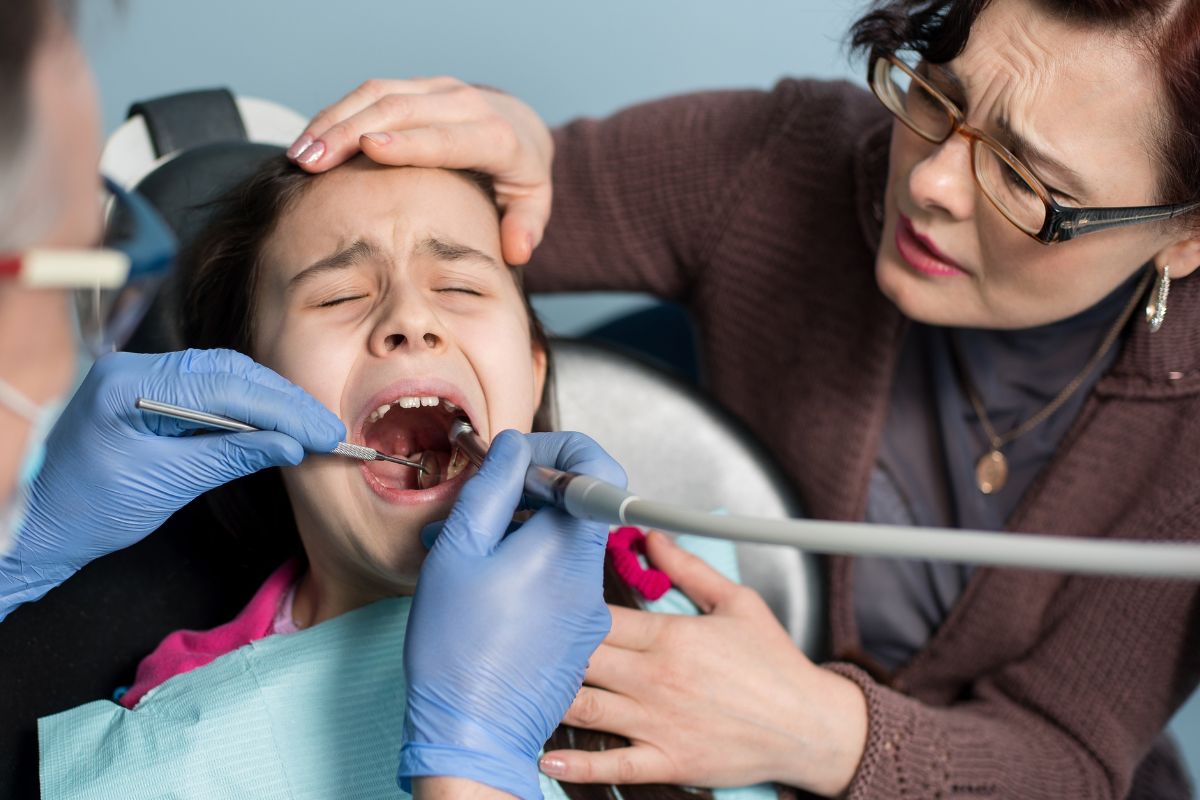
A sudden toothache, a chipped tooth during sports, or swelling around a child’s gums can leave parents wondering what to do next. Dental problems do not always happen during regular office hours, and it can be difficult to tell which situations need immediate attention.
An emergency pediatric dentist evaluates urgent dental problems in children and helps determine the appropriate treatment. Knowing which symptoms to watch for, what information to share, and how to respond before the appointment can make a stressful situation easier to manage.
For families in McKinney, TX, Just for Kids Dentistry provides pediatric emergency dental care for concerns including tooth pain, dental injuries, and oral swelling.
What Is an Emergency Pediatric Dentist?
An emergency pediatric dentist provides assessment and treatment for urgent dental problems affecting infants, children, and teenagers.
Unlike a routine dental appointment, an emergency visit focuses first on the immediate concern. The dentist evaluates the symptoms, identifies the likely cause, and determines what treatment or follow-up is needed.
Common reasons to seek urgent dental guidance include:
- Persistent or severe tooth pain.
- A chipped, cracked, loose, or knocked-out tooth.
- Swelling in the gums, mouth, or face.
- A suspected dental abscess.
- Bleeding or injury involving the teeth or oral tissues.
- Damage to a dental filling, crown, or other restoration that causes pain or affects function.
Not every dental problem requires the same response. If you are unsure how urgent your child’s symptoms are, contact a dental professional for guidance rather than relying on appearance alone.
Which Dental Symptoms Need Urgent Attention?
Recognizing the type of problem can help you communicate clearly with the dental team.
1. Severe or Persistent Toothache
A toothache may result from tooth decay, a crack, food trapped between teeth, or an infection. Pain that persists, returns repeatedly, or interferes with eating or sleeping deserves prompt attention.
While arranging dental care, you can gently rinse your child’s mouth with warm water. If your child is old enough to spit safely, you may carefully floss around the affected tooth to remove trapped food.
Do not place aspirin directly on the tooth or gums, and avoid applying heat to a swollen area. Contact the dental office to discuss the symptoms and next steps.
2. A Chipped or Broken Tooth
A chipped tooth may cause sensitivity, pain, or a sharp edge that irritates the mouth. A deeper fracture can expose sensitive inner tooth structures and require urgent treatment.
Contact a dentist promptly, especially if your child has pain, bleeding, or visible damage. If you can recover a broken tooth fragment, bring it to the appointment in a clean container.
If the injury follows a significant blow to the head or face, prioritize medical evaluation when appropriate.
3. A Knocked-Out Tooth
A completely knocked-out permanent tooth is a time-sensitive dental emergency. Contact a dentist immediately because quick action may improve the chance of saving it.
Handle the tooth by its crown, not the root. If you cannot safely reposition it, keep it moist in an appropriate storage medium, such as milk or a tooth-preservation solution, and seek immediate dental care. Do not scrub the root or allow the tooth to dry out.
Never reinsert a knocked-out baby tooth. Contact the dentist for guidance because the injury may still require evaluation.
If you are unsure whether the tooth is permanent or primary, do not delay seeking professional advice.
4. Swelling Around the Gums or Face
Swelling may be associated with infection, an abscess, or an injury. Contact a dentist promptly if your child develops new swelling, particularly when accompanied by pain, fever, pus, or difficulty eating.
Facial or neck swelling that affects breathing or swallowing requires emergency medical care. Do not wait for a routine dental appointment if your child has these symptoms or appears seriously unwell.
5. Bleeding After an Oral Injury
Minor bleeding from the mouth can happen after a fall or impact. Apply gentle, steady pressure with clean gauze to the affected soft tissue when appropriate.
Seek urgent assessment if bleeding is heavy, does not stop with sustained gentle pressure, or accompanies a significant injury. If the injury may involve the head, face, or jaw, medical evaluation may also be necessary.
What Should You Expect During an Emergency Dental Visit?
Knowing what may happen at the appointment can help you prepare your child and gather useful information.
Step 1: Explaining What Happened
The dental team will ask when the problem started, how the injury occurred, and what symptoms your child is experiencing. They may also ask about medical conditions, medications, allergies, and previous dental treatment.
If a tooth was injured, tell the team whether it is a baby or permanent tooth if you know.
Step 2: Examining the Affected Area
The dentist will examine your child’s teeth, gums, and surrounding tissues. The examination helps identify visible damage, swelling, signs of infection, and other concerns.
Depending on the injury, dental X-rays or other diagnostic procedures may be recommended to assess damage that cannot be seen directly.
Step 3: Discussing the Treatment Plan
Treatment depends on the diagnosis, the child’s age, the affected tooth, and the extent of the problem.
Possible treatments may include repairing a damaged tooth, treating decay, managing an infection, stabilizing an injured tooth, or arranging follow-up care. Some emergencies can be treated during the initial appointment, while others require additional visits.
The dentist should explain the findings, recommended options, and any home-care instructions.
Step 4: Planning Follow-Up Care
Even after the immediate problem is addressed, follow-up may be needed to check healing and monitor the affected tooth.
Ask which symptoms should prompt another call, whether your child needs to avoid certain foods or activities, and when the next appointment should take place.
How Can You Prepare Before Calling the Dentist?
When a child is uncomfortable, it is easy to forget important details. A few simple steps can help the dental team assess the situation.
- Describe the symptoms clearly. Explain where the pain or swelling is located and when it began.
- Mention any injury. Share how the accident happened and whether your child struck their head or face.
- Note changes in behavior. Tell the team if your child has trouble eating, sleeping, speaking, or opening their mouth.
- Gather relevant medical information. Be ready to discuss medications, allergies, and existing health conditions.
- Follow professional instructions. Ask what to do while traveling to the office and whether your child should avoid food or drink before treatment.
If a permanent tooth has been knocked out, do not delay urgent care while collecting nonessential information.
How Can You Help Your Child Stay Comfortable?
Dental emergencies can be frightening, especially when a child is already in pain. Speak calmly, explain that you are getting help, and avoid making promises about what treatment will involve.
Follow the dental team’s instructions about pain relief. If you are considering an over-the-counter medicine, confirm that it is appropriate for your child’s age, weight, medical history, and other medications. Never give aspirin to a child unless specifically directed by a qualified healthcare professional.
A cold compress wrapped in a cloth may help with swelling after an injury. Do not put ice directly against the skin, and do not use home remedies as a substitute for professional evaluation.
If your child is frightened, tell the dental team before the appointment. They can explain what to expect and discuss appropriate ways to support your child during treatment.
Where Can McKinney Parents Seek Emergency Dental Care?
When a child has a dental emergency, getting clear instructions from a dental professional is an important first step.
Just for Kids Dentistry in McKinney, TX, treats urgent pediatric dental concerns, including tooth pain, traumatic dental injuries, and swelling. The practice advises parents to call when an emergency occurs so the team can help determine the next steps.
Call 972-540-5858 to discuss your child’s symptoms and ask about emergency appointment availability.
If your child has difficulty breathing or swallowing, uncontrolled bleeding, loss of consciousness, or a serious facial or head injury, seek emergency medical care immediately.
Frequently Asked Questions
When should I call an emergency pediatric dentist?
Call promptly if your child has severe or persistent tooth pain, a broken or knocked-out tooth, new oral swelling, a suspected abscess, or an injury involving the teeth or gums. If you are uncertain about the urgency, ask a dental professional for guidance.
Can an emergency pediatric dentist treat a toothache?
Yes. A pediatric dentist can examine the tooth, investigate possible causes, and recommend appropriate treatment. Because tooth pain may indicate decay, a crack, or infection, it is best not to ignore persistent symptoms.
Is a knocked-out baby tooth a dental emergency?
It needs prompt professional guidance, but a baby tooth should not be replanted. A dentist can assess the injury and determine whether the surrounding tissues or developing permanent tooth need further evaluation.
Should I take my child to the emergency room for a dental problem?
A dental office is often the appropriate first contact for toothaches, chipped teeth, and many other dental problems. However, seek emergency medical care for difficulty breathing or swallowing, loss of consciousness, serious head or facial injuries, or other potentially life-threatening symptoms.
Does Just for Kids Dentistry offer emergency dental care in McKinney?
Just for Kids Dentistry provides pediatric emergency dental care for issues such as tooth pain, dental injuries, and swelling. Call 972-540-5858 to explain the situation and ask about availability and next steps.

Related Articles