7700 Eldorado Parkway Suite 200 Mckinney, Tx 75072

McKinney Pediatric Dentistry: A Parent’s Guide to Your Child’s Dental Care
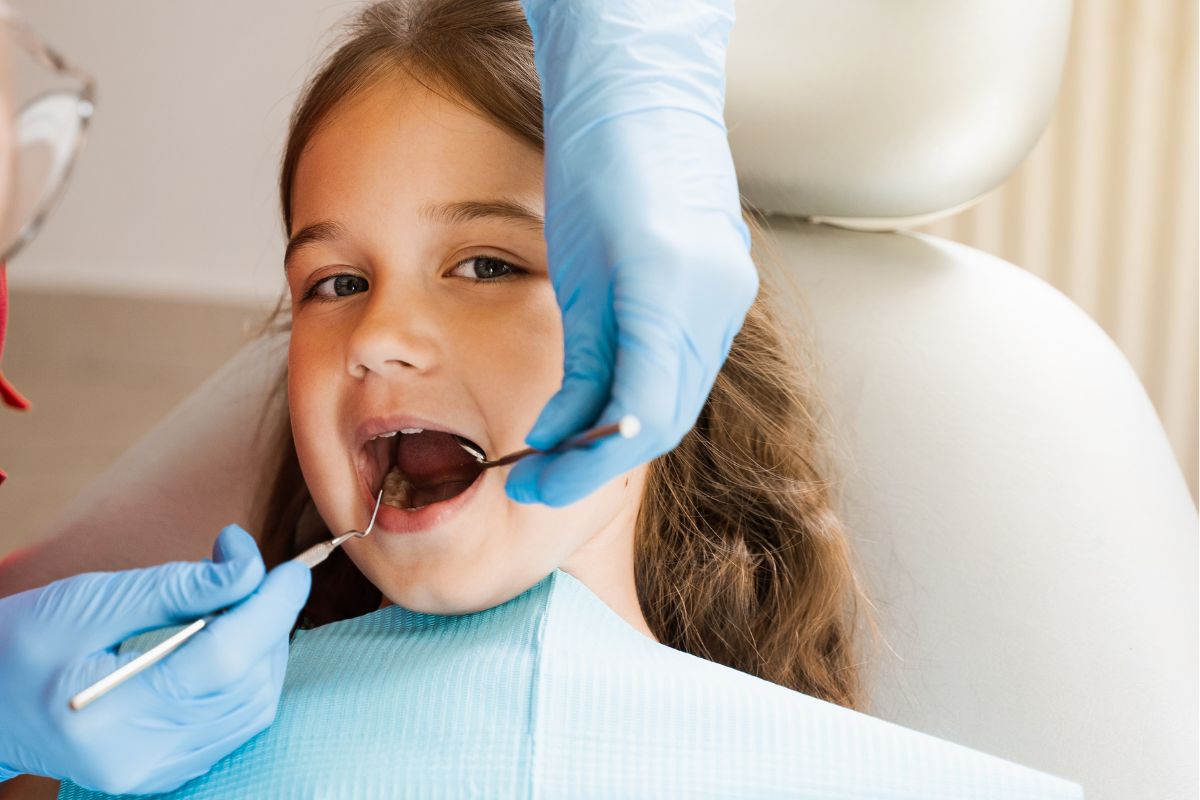
Choosing dental care for your child is about more than finding an office that treats children. Parents want to know what their child actually needs, when they should receive it, and how dental care changes as they grow.
That’s where McKinney pediatric dentistry can make a difference. Pediatric dental care is designed around the developing teeth, jaws, oral habits, and needs of infants, children, and teenagers.
At Just for Kids Dentistry in McKinney, our goal is to help families build healthy habits early and address dental concerns before they become bigger problems.
Here’s what parents should know about pediatric dental care from the first visit through the teen years.
What Is Pediatric Dentistry?
Pediatric dentistry focuses on the oral health of children from infancy through adolescence.
Children’s mouths are constantly changing. Baby teeth erupt, permanent teeth gradually replace them, the jaws develop, and oral habits can affect the developing bite.
Pediatric dental care takes those changes into account.
A child’s dental visit may include preventive care, an examination, cleaning, fluoride recommendations, cavity-risk assessment, guidance for parents, and treatment when a dental problem is identified.
The goal isn’t simply to treat a cavity when one appears. It’s to establish an ongoing dental home where your child’s oral health can be monitored as they grow.
When Should a Child Start Seeing a Dentist?
The American Academy of Pediatric Dentistry recommends that children establish a dental home by 12 months of age.
An early visit gives the dental team an opportunity to look at developing teeth, discuss oral hygiene, review feeding and dietary habits, and help parents understand what to expect as more teeth erupt.
Early visits can also help a child become familiar with the dental environment before a problem requires treatment.
If your child is older and hasn’t established regular dental care yet, it’s not too late. Starting now is more important than worrying about when the first visit should have happened.
What Happens During a Pediatric Dental Visit?
The exact appointment depends on your child’s age, dental history, and needs.
A routine visit may include:
- Reviewing your child’s medical and dental history
- Examining the teeth and gums
- Checking dental development
- Assessing cavity risk
- Cleaning the teeth when appropriate
- Discussing fluoride
- Reviewing brushing and flossing habits
- Answering parents’ questions
- Recommending treatment when necessary
Younger children may need a different approach from older children. The dental team can adjust the visit according to your child’s development and ability to participate.
How Does Pediatric Dental Care Change With Age?
Your child’s dental needs aren’t the same at age 2 as they are at age 12.
Babies and toddlers
Early care focuses on healthy tooth eruption, brushing habits, fluoride exposure, feeding practices, and preventing early childhood cavities.
Parents do most of the work at this stage, including brushing their child’s teeth.
Preschool and elementary-age children
As more teeth erupt, the focus expands to consistent brushing, cleaning between teeth, cavity prevention, fluoride, and monitoring developing permanent teeth.
This is also when children may begin developing more independence with brushing—but parents may still need to help or supervise.
School-age children
Permanent molars begin appearing, making cavity prevention particularly important. Depending on your child’s individual needs, your dentist may discuss preventive treatments such as sealants or fluoride.
Regular visits also allow the dentist to monitor how permanent teeth are developing.
Teenagers
Teenagers take on more responsibility for their own oral health.
Dental conversations may include brushing and flossing consistency, diet, sports mouthguards, orthodontic care, wisdom teeth, and other age-specific concerns.
The goal is to gradually transition responsibility from parent to child while maintaining professional oversight.
Why Are Preventive Dental Visits Important?
One of the biggest benefits of regular pediatric dental care is the opportunity to identify problems early.
A dental examination can help your child’s dentist monitor:
- Tooth decay
- Gum health
- Tooth eruption
- Developing bite and alignment
- Oral habits
- Enamel concerns
- Areas that may need additional preventive protection
Regular visits also give parents an opportunity to ask questions before a small concern becomes a bigger source of discomfort.
Preventive care doesn’t guarantee that a child will never develop a cavity or another dental problem. Instead, it gives your family a consistent way to monitor oral health and respond when something changes.
What Can Parents Do Between Dental Visits?
What happens at home matters just as much as what happens in the dental office.
Help your child:
Brush twice a day
Use fluoride toothpaste in an age-appropriate amount and supervise younger children.
Clean between teeth
Once two teeth touch, cleaning between them becomes an important part of daily oral hygiene.
Make water a regular choice
Water is a simple tooth-friendly drink between meals.
Pay attention to frequent sugar exposure
Frequent sugary snacks and drinks can increase the risk of tooth decay.
Make dental care routine
Children often do better when brushing, flossing, and dental visits become predictable parts of everyday life.
What If My Child Is Nervous About the Dentist?
Dental anxiety is common, especially when a child has had an unpleasant experience or doesn’t know what to expect.
Parents can help by keeping explanations simple and positive. Avoid using words that may make a dental appointment sound frightening.
You can also tell the dental team about your child’s concerns before the appointment. Knowing what makes your child uncomfortable can help the team adapt the visit appropriately.
A child’s first few dental experiences can help shape how they feel about dental care in the future.
What If My Child Has a Dental Problem?
Don’t wait for the next routine appointment if your child develops symptoms such as persistent tooth pain, swelling, a broken tooth, or a dental injury.
Contact your child’s dental office so the situation can be evaluated and you can receive appropriate next steps.
Pediatric dental care includes both preventive and therapeutic care. The goal is to address problems while also helping families reduce the chance of future issues.
Building Your Child’s Dental Home in McKinney
Your child’s dental needs will change many times between infancy and the teenage years.
A consistent dental home gives your family a place to return for preventive care, dental guidance, examinations, and treatment when needed.
At Just for Kids Dentistry in McKinney, we provide pediatric dental care designed around growing children and their individual needs.
If your child is due for a dental visit or your family is looking for a pediatric dental home, contact our McKinney team to schedule an appointment.
Frequently Asked Questions
What age should my child first see a pediatric dentist?
The American Academy of Pediatric Dentistry recommends establishing a dental home by 12 months of age or within six months of the first tooth appearing.
How often should my child see the dentist?
Many children have dental visits about every six months, but the appropriate schedule depends on individual oral health and cavity risk.
Does my child need a pediatric dentist?
Pediatric dentists receive specialized training focused on the oral health and dental care of children and adolescents. Families may choose pediatric dental care for preventive visits, treatment, developing dentition, or age-specific needs.
Should I stay with my child during the dental appointment?
That depends on the child’s age, comfort level, office procedures, and circumstances. Discuss your preferences with the dental team before the appointment.
What should I do if my child has never been to the dentist?
Schedule an initial visit and let the dental team know that it is your child’s first dental experience. The appointment can be approached according to your child’s age, comfort level, and needs.

Related Articles